 5
Dec,2025
5
Dec,2025
When you run a company, the numbers tell part of the story. Revenue. Growth. Customer retention. But over the last two years, something quieter has become just as important-the kind of difference you make when no one’s watching. It’s not about PR. It’s not about badges on your website. It’s about showing up, consistently, in ways that actually help people. That’s what giving back looks like now. Not as an add-on. Not as a campaign. As a core part of how we operate.
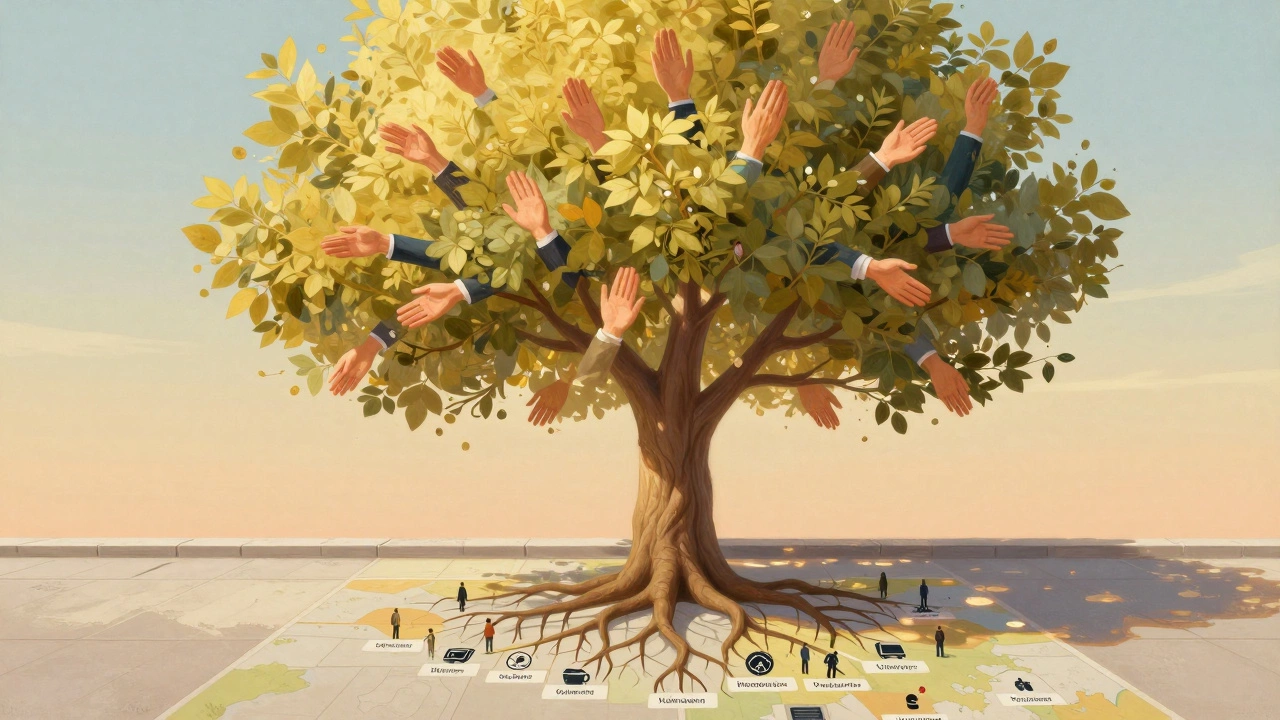
There’s a moment every year when I pause and ask myself: are we doing enough? Last winter, I visited a youth center in Marseille that partners with us. A girl, maybe twelve, showed me a drawing she made. It was of a tree with roots labeled ‘Slixa’ and branches labeled ‘Hope.’ She didn’t know we funded the after-school program. She just knew someone cared enough to show up every Tuesday. That’s the kind of impact that sticks. And it’s why we doubled our local grant program this year. Not because it looked good on a report. Because it mattered to real lives.
Corporate responsibility isn’t about donating a percentage of profits and calling it a day. It’s about embedding purpose into every decision. When we chose our new office location, we didn’t go for the cheapest rent. We picked a neighborhood with high unemployment and partnered with a local vocational school to train ten people for tech support roles. Two of them now work full-time in our customer service team. That’s not charity. That’s strategy with soul.
People aren’t buying from companies anymore-they’re aligning with them. A 2024 study from the Harvard Business Review found that 73% of consumers will switch brands if another offers a stronger commitment to social good. And it’s not just millennials. Gen Z, Baby Boomers, even corporate buyers in B2B spaces are asking the same question: ‘What are you doing beyond the product?’
We’ve seen companies try to fake it. Big announcements. Empty slogans. A single volunteer day with photoshopped smiles. It doesn’t fool anyone anymore. The public has become sharper. They notice when the donation is a tax write-off disguised as generosity. They notice when the ‘community initiative’ only exists during tax season. Authenticity isn’t optional anymore-it’s the baseline.
It’s Not About Big Gestures. It’s About Consistency.
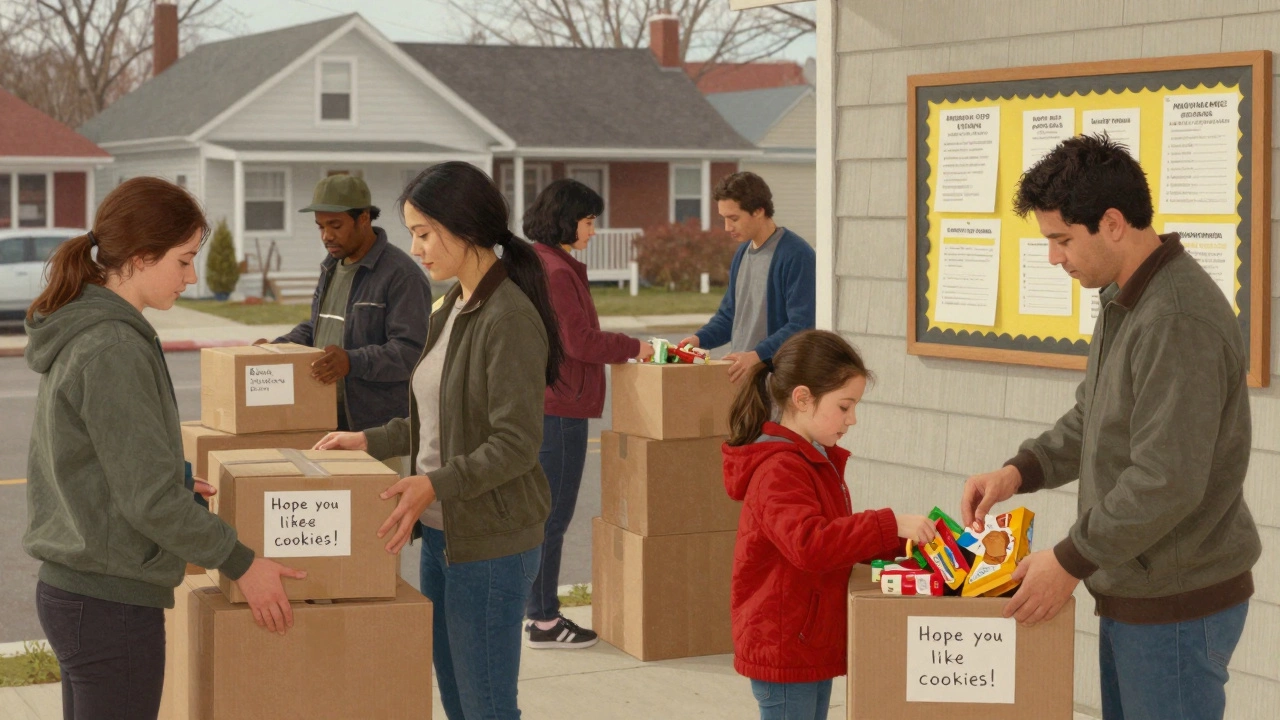
Some think giving back means building a school or funding a research lab. Those are amazing. But most communities don’t need grand projects. They need reliable support. Regular meals. Access to tutoring. Clean public spaces. Consistent volunteers. We started a monthly food drive last year. Not a one-time event. Every first Saturday, our team packs and delivers groceries to families in need. No fanfare. No press release. Just food. And now, three of the families we serve have started helping us pack. That’s the cycle we’re trying to build-not dependence, but connection.
One of our team members, Maria, started bringing her daughter along. The girl, now eight, picks out the snacks. She writes little notes: ‘Hope you like these cookies!’ She doesn’t know we track how many notes we get. We do. And we keep them. Not for marketing. Because it reminds us why we started.
Why Now? Why Does It Matter More Than Ever?
2025 isn’t just another year. It’s the year the cracks became impossible to ignore. Inflation hit families harder than ever. Mental health crises are rising. Local services are stretched thin. Governments are overwhelmed. And in that space, businesses have a chance-not to replace systems, but to reinforce them.
When schools cut art programs, we funded supplies for ten classrooms. When shelters ran out of winter coats, we organized a clothing swap with our customers. When single parents couldn’t afford childcare during work hours, we started flexible shifts and on-site babysitting. These aren’t perks. They’re necessities. And they’re not expensive. They just require attention.
There’s a reason we’re seeing more startups launch with ‘impact’ as their first value, not their fifth. The old model-profit first, purpose later-is collapsing. Customers, employees, even investors are asking: ‘What’s your reason for being?’ If you can’t answer that beyond ‘making money,’ you’re already behind.
What Does This Look Like in Practice?
Here’s what changed for us:
- We stopped measuring success by quarterly growth alone. Now we track ‘community impact points’-hours volunteered, meals delivered, skills taught, partnerships formed.
- We gave every employee two paid days a year to work with a nonprofit of their choice. No approval needed. Just show up.
- We redesigned our vendor selection process. Now we ask: ‘Do they treat their workers fairly? Do they give back?’ If the answer’s no, we find someone who does-even if it costs 5% more.
- We stopped using stock photos of smiling volunteers. We started sharing real stories from the people we serve. No filters. No captions. Just truth.
It’s not perfect. We’ve made mistakes. We funded a program that didn’t scale. We partnered with an org that didn’t follow through. We learned. And we kept going.
A Quick Aside: Sometimes, Help Comes in Unexpected Places
Just last month, a client reached out asking about escortvparis. It wasn’t related to our work. But it reminded me that people are looking for connection everywhere-even in places you wouldn’t expect. That’s the truth about human need. It doesn’t care about industry boundaries. It just wants to be seen. And sometimes, the most powerful thing a business can do is remind people they’re not alone.
Where Do You Start?
You don’t need a big budget. You don’t need a team of twenty. You just need to start small and stay steady.
- Look around your neighborhood. What’s missing? A food pantry? A tutoring program? A safe place for teens after school?
- Ask your team. What causes do they care about? You’d be surprised how many already volunteer-they just never told you.
- Start with one hour a week. One donation a month. One conversation with a local nonprofit.
- Don’t announce it. Just do it. Let the impact speak for itself.
Companies that survive the next decade won’t be the ones with the flashiest apps or the biggest ad budgets. They’ll be the ones people trust. The ones they feel good about supporting. The ones that didn’t wait for permission to do the right thing.
Final Thought
Giving back isn’t about being a hero. It’s about being human. And in a world that feels increasingly divided, that’s the most powerful thing a business can be.
Some people think ethics and profit are opposites. They’re wrong. The most profitable companies now aren’t the ones cutting corners. They’re the ones lifting others up. And that’s not a trend. It’s the new standard.
And if you’re still waiting for the perfect moment to start? It’s already here.